


I watched Louis Theroux’s Inside the Manosphere and a thought I couldn’t shake kept coming back:
“These are successful people. They’re working on their personal brand, just like what I do for my clients. And yet I wouldn’t want to work with any of them.”

It stayed with me for weeks. It made me wonder why no one in founder marketing talks about the elephant in the room: Why do some thought leaders feel credible, while others feel like predators?
I’m not being high and mighty here. I’m arguing that maintaining ethical standards is the only way thought leadership creates a sustainable “win-win” for both the founder and their audience.
Most marketers focus entirely on the mechanics:
Find the story.
Target the ICP.
Build the system.
But no one asks the harder question: Are there people who simply don’t deserve to succeed in marketing?
Honestly, many influencers I see on LinkedIn aren’t far off from the subjects in Theroux’s documentary. They flaunt the money. They game the engagement. They lean into sensationalism and manufactured conflict. Doing whatever it takes to keep the algorithm happy.
It reminded me of the mob lawyers you see in movies. Hired guns whose entire brand is based on the fact that they’ll represent anyone for the right price. In that world, the worse the client, the bigger the fee.
Some LinkedIn influencers have adopted this exact business model. They aren’t there to help. They’re there to “win win win”. The goal is simple: Make money, and make sure everyone knows you made it.
Why you should care
So, why am I writing this now? Because if you’re a founder considering a personal brand, you are at a crossroads. You’re about to make a decision that will define your reputation for years to come.
The current pressure is to borrow a hustle playbook: Copy the viral hooks. Script the wins. Manufacture a fight. Perform success rather than actually achieving it.
Before you commit to this strategy, there is one differentiator that ensures you won’t turn into a caricature from Theroux’s documentary. That is leaning into your work expertise and basing your entire marketing on it.
The founders I love working with don’t put on a show. They reflect a craft they already practice. Their marketing is an extension of their expertise, not a costume they put on for LinkedIn. When you skip this, you lose your only real competitive advantage. That is your unique way of doing the work. By doing this you avoid getting flattened into the same founder-influencer sludge as everyone else.
How do you do ethical Founder Marketing?
My philosophy is simple: to succeed in founder-led marketing, you must use continuous reflection to uncover your genuine expertise. You gain trust and drive business results because you actually help people.
The “Hustle” model seen in the documentary does the opposite. Here are the mistakes I see founders making that put them in the Hustle crowd:
Say what sells, not what you believe: In the documentary, Theroux confronts an influencer who publicly advocates for “traditional female morality” and shames promiscuity, yet simultaneously fills his own feed with OnlyFans promotions.
It is a display of a brand built on a moral high ground that the person doesn’t actually stand on. Much like the OnlyFans example in the film, some founders are all too willing to discard private beliefs if they don’t match the public brand. The content follows the money, not the truth.Rage-baiting: Also in the documentary, we see the same influencer picking fights and staging confrontations just to please his audience. The conflict isn’t real, it’s just content designed to feed the algorithm.
Selling the unattainable dream: Financial grifting through courses that promise outcomes the buyer will statistically never achieve.
Performative perfection: Setting hyper-success as the only bar. The audience is kept in a state of constant chasing, never arriving.
Suppressing vulnerability: Always winning, never doubting. There is no visible cost or mess, only a polished, deceptive image of victory.
The underlying mechanism across all these mistakes is extraction. Every one of these tactics takes something from the audience. Their attention, their sense of adequacy, or their money, without returning proportional value.
The influencer wins, the audience loses, and the content is carefully engineered to hide that asymmetry.
The Four-Part Integrity Test
To ensure your marketing is an extension of your work, rather than a costume, put your content through these four tests. If you can’t say “yes” to all of these, the content isn’t really reflecting the work.
Test #1: The Private vs. Public Test
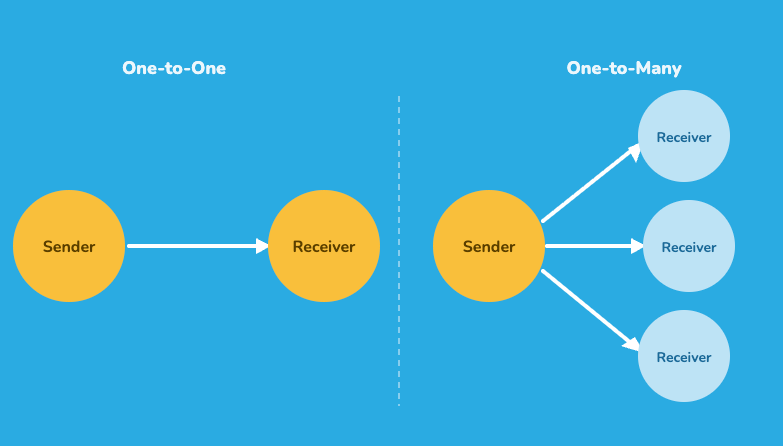
Would you say this in private, to a client, the way you’re saying it in public?
Instruction: Before you post, imagine your most respected client is sitting across from you. If the “hot take” or advice you’re sharing would feel embarrassing or dishonest in that 1-on-1 setting, you are performing for the algorithm, not helping your audience.
Test #2: The Double Standard Test
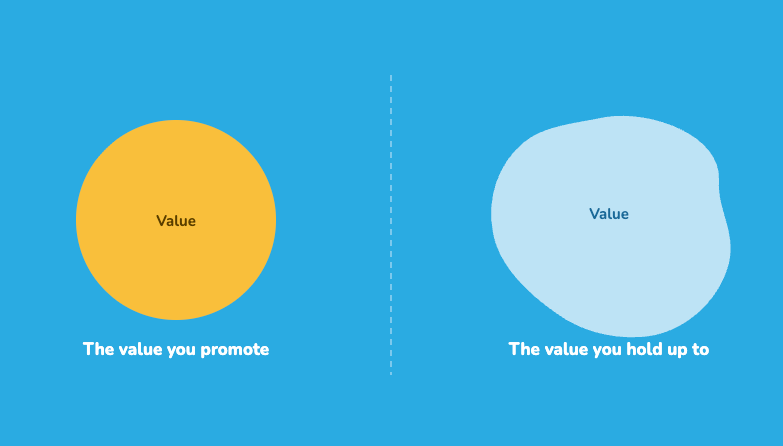
Do the standards you promote apply to your own life and work?
Instruction: If you promote “deep work” but spend your day chasing engagement, or preach “financial freedom” while being stressed about your own burn rate, you are failing this test.
Test #3: The Reality Test
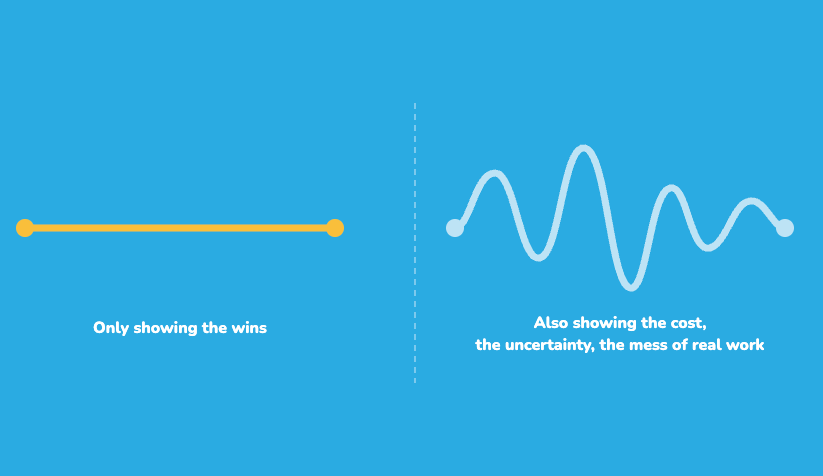
Does your content ever show the cost, the uncertainty, the mess of real work, or only the wins? Are you being honest about where you actually are, or are you trying to “fake it till you make it”? This is the clearest sign of starting to lie to yourself and your audience.
You haven’t started your career yesterday. You have solid expertise people already pay you for. Use your content to document your actual level of mastery rather than inflating it to match a hustle persona.
Instruction: Look at your last five posts. If they are all wins and results, you aren’t showing your craft. True expertise includes the mess: the failed experiments, the uncertainty of a project, and the actual cost of success.
Test #4: The Spectrum Test
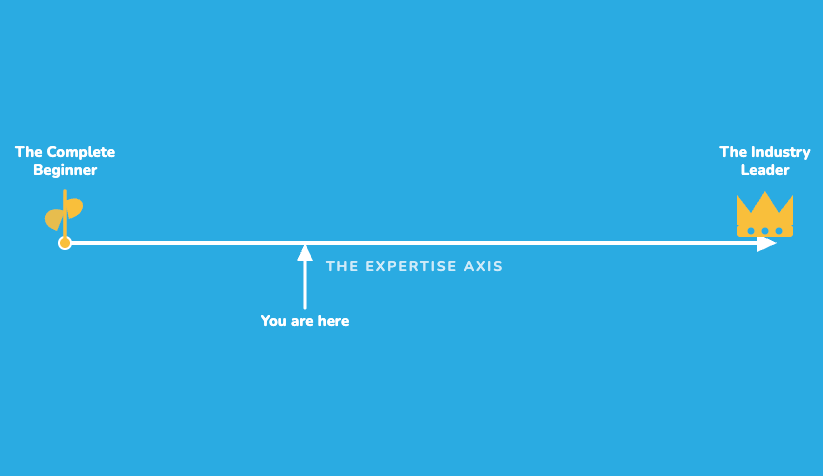
This is maybe the most important test. I offer an alternative way to view your brand. You don’t need to be the ultimate authority to be an expert. Imagine an X-axis. This is your Expertise Axis.
On the left side: The complete beginner. On the right side: The most influential person in your niche. It’s easy to know who is on the left. On the right, it’s also pretty easy to identify the industry leaders:
Esther Perel for couple therapy.
Simon Sinek for leadership.
Alex Hormozi for business.
So, what is your axis, and where do you position yourself? Once you position yourself honestly on that axis, you only need to answer two questions:
How can you progress a notch? (Focusing on your own growth)
How can you help others progress towards where you are? (Focusing on helping others)
The people in the Manosphere documentary always hustle. They are not humble, and they usually position themselves at the very top of the axis, regardless of their actual depth. By choosing to be honest about where you sit on the spectrum, you create a brand that is grounded in reality, not a performance.
Closing
This subject is fundamental to me. It is the core differentiator between my approach and the typical Hustle model of founder-led marketing. I hold myself to these same standards, constantly checking my own work against these filters to ensure my brand remains an extension of my craft, not a performance of it.
I’d love to hear your thoughts on this. Have you ever felt the pressure to perform success instead of documenting it?